
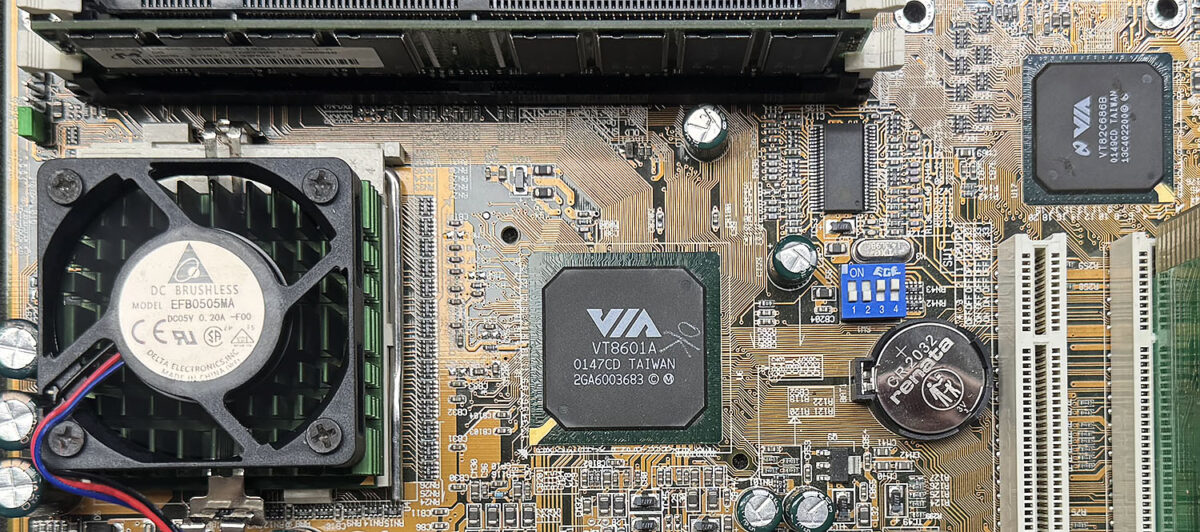
Let’s continue the series with another one of the least damaged boards: the VT5292A, built around the Apollo PLE133 chipset, with a VT8601A Northbridge and a VIA VT82C686B Southbridge. This chipset was the direct successor to the MVP4 in VIA’s “integrated” chipset line, with built-in graphics. This time, we have Socket 370 and three SDRAM slots supporting PC66, PC100, and PC133 modules, up to 1.5 GB. The IGP is still from Trident, but upgraded to their Blade3D line. The 686B Southbridge supports USB 1.1 via UHCI, IDE ATA-33/66/100, AC’97 audio, PCI 2.2, and an integrated Super I/O controller. It also includes an integrated PCI-to-ISA bridge.
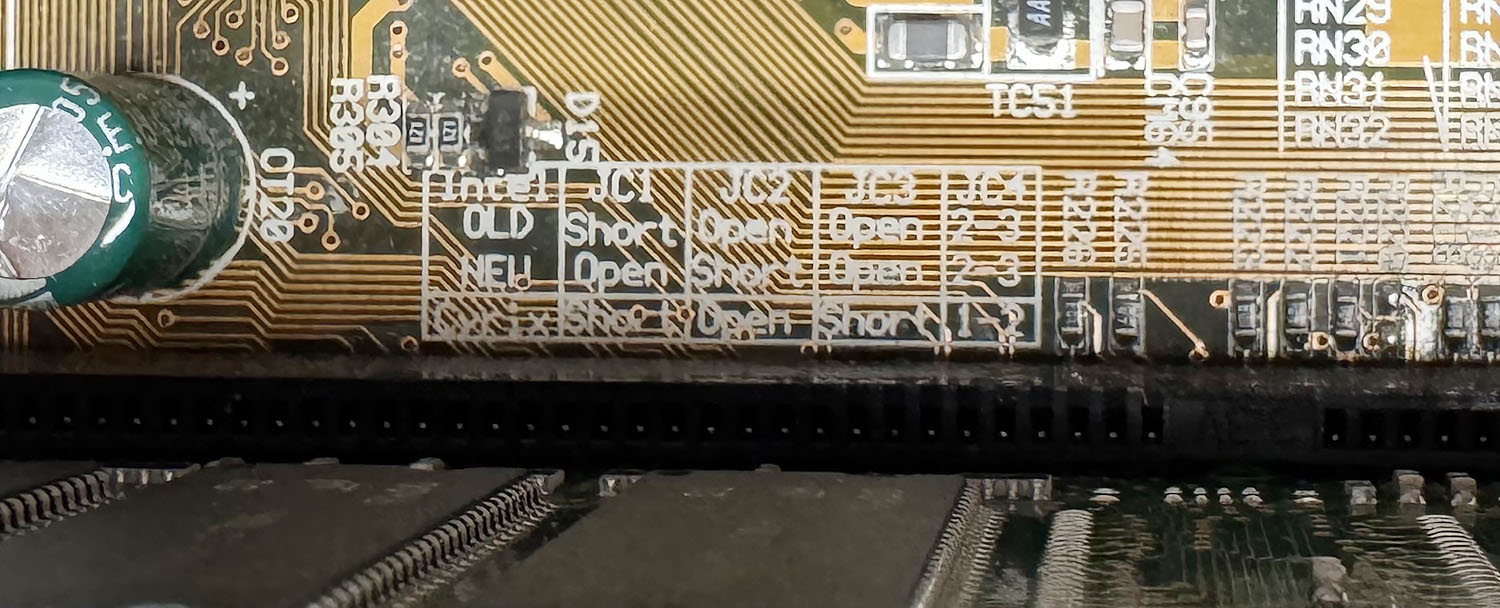
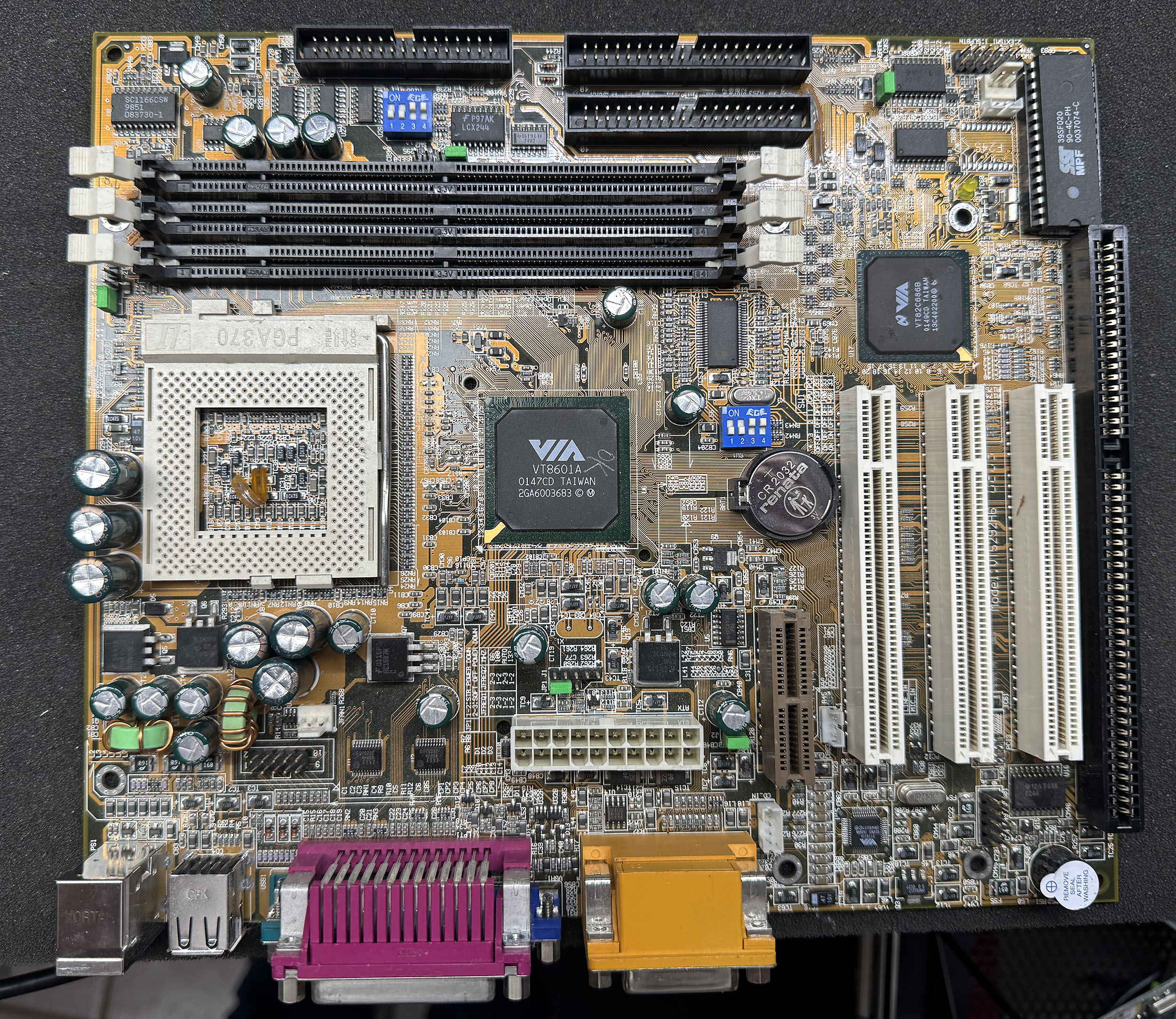 The board arrived quite clean, without major damage and with capacitors that were visually in good condition. Many jumpers were unfortunately undocumented, and it took quite a long time to figure out how to boot a Celeron or Pentium III Coppermine. The VT5292A supports FSB settings from 66 to 133 MHz and requires jumper configuration to select between three CPU types: “Cyrix”, “Old Intel”, and “New Intel”. The latter is obviously for Coppermine CPUs, while the “Cyrix” setting was targeted at VIA C3s, formerly Cyrix III.
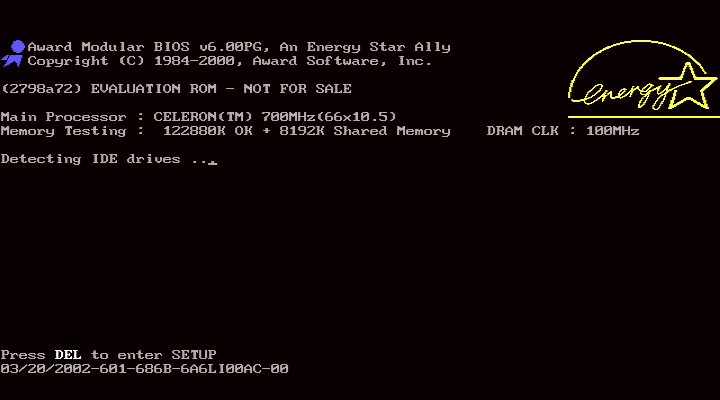
 The Award BIOS string identifier for the VT5292A is “03/20/2002-601-686B-6A6LI00AC-00”. The startup string is “(2798a72) EVALUATION ROM – NOT FOR SALE”. The mainboard identifier, “6A6LI00AC”, is the same as on the Soyo SY-7VEM, which looks almost identical except for the number of DIMM slots: the Soyo only has two slots, while the VT5292A has three. The location of some headers is also slightly different, but it looks like Soyo simply rebranded the Apollo PLE133 reference board as its own model, which was quite common back then.
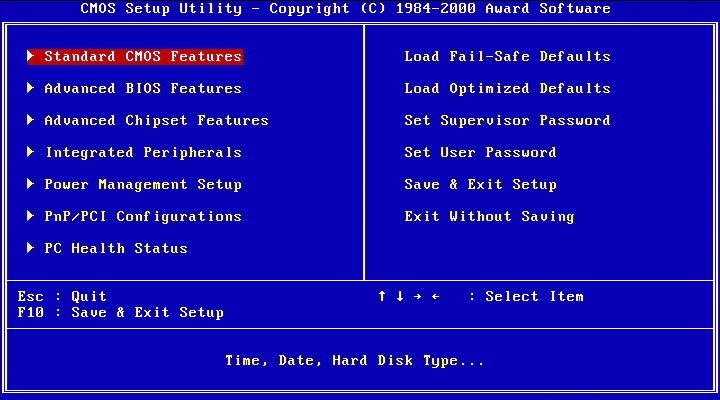
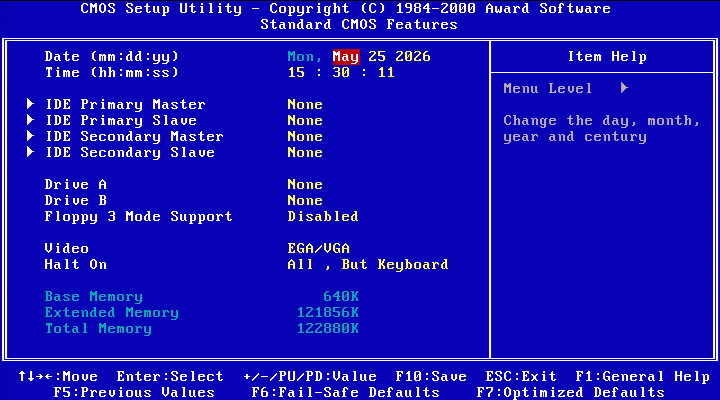
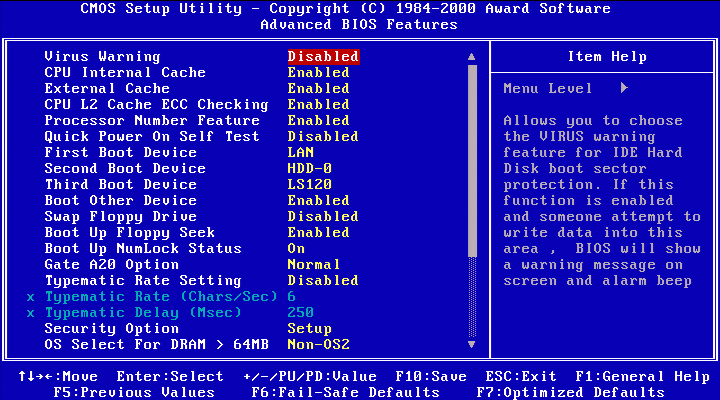
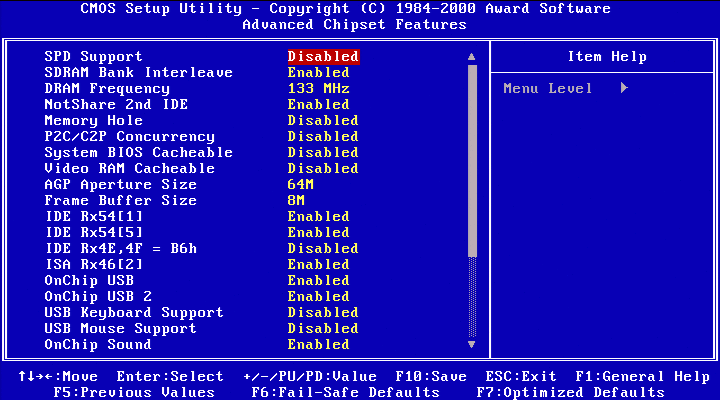
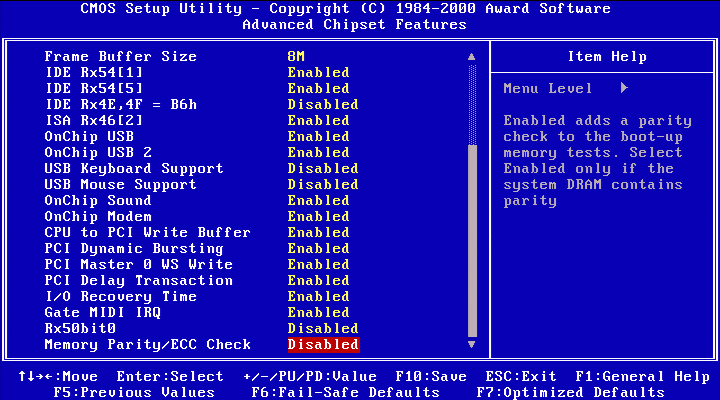
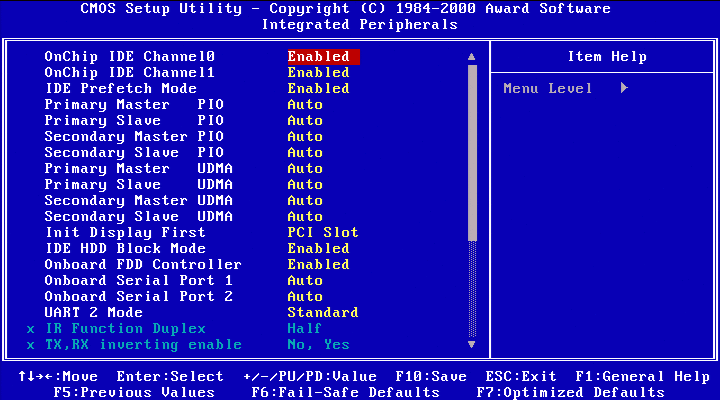
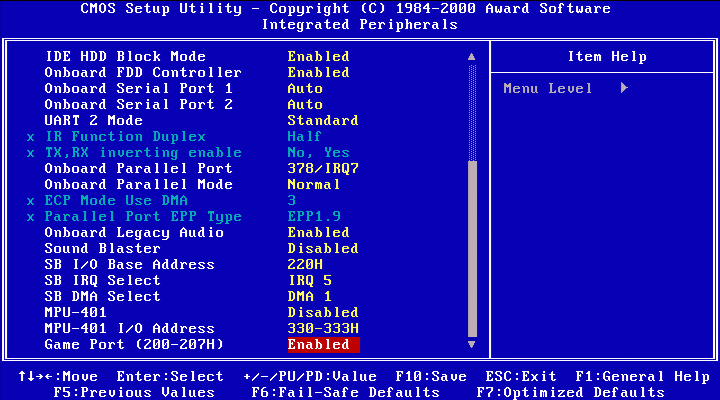
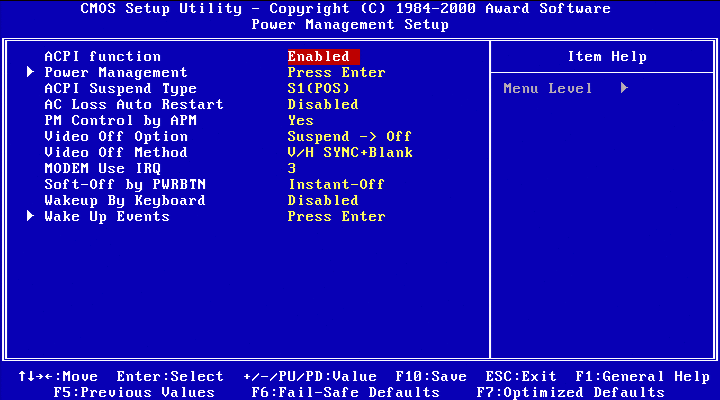
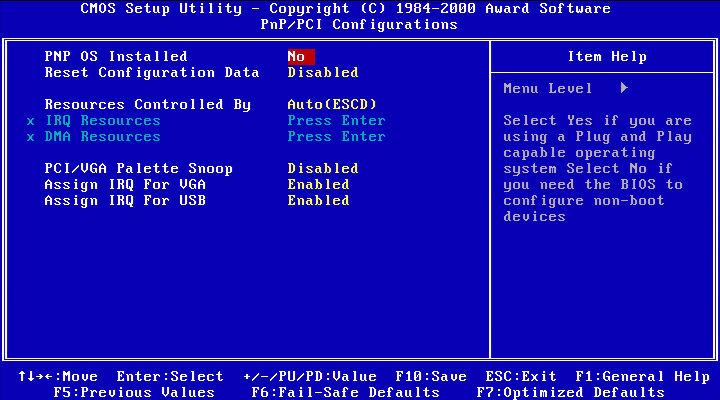
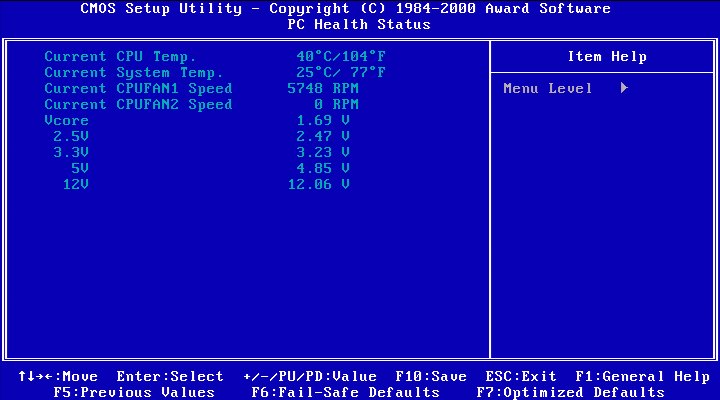
The BIOS has a lot of debugging options, especially related to the IDE controller. This may be related to the onboard VT82C686B, the first VIA Southbridge to support ATA-100; the previous 686A was limited to ATA-66. The rest of the BIOS is quite standard, with a decent temperature, voltage, and fan-speed monitoring page. The CPU temperature sensor is still external on this board, with a thermocouple positioned just behind the CPU. This board may look like one of the least interesting ones at first, but it will soon become more important, as it represents an evolutionary step toward the next board we will check: the VT5426D.
The VT5292A motherboard BIOS is available here: VT5292A_BIOS